
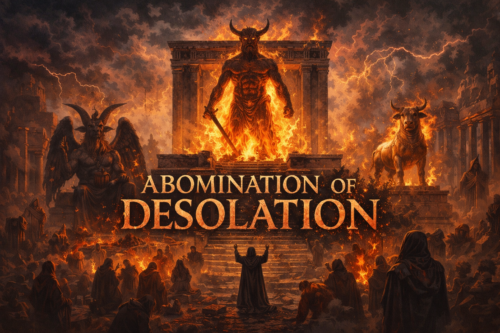
The phrase abomination of desolation is one of the most mysterious and debated expressions in biblical prophecy. It carries themes of desecration, judgment, and divine warning, and it has sparked centuries of theological discussion and interpretation.
Many believers encounter this phrase while studying prophecy and immediately feel both curiosity and concern. What exactly does it mean? Has it already happened in history, or does it point to a future event still awaiting fulfillment?
The expression appears in both the Old and New Testaments, creating a powerful link between prophecy and fulfillment. Because of this connection, it holds special significance for those studying biblical timelines and the unfolding plan of God.
Understanding the abomination of desolation requires examining historical context, scriptural language, and interpretative traditions. Each perspective adds depth to the discussion and helps believers approach the subject thoughtfully rather than fearfully.
This article will explore the meaning of the phrase, its biblical foundations, historical fulfillments, and prophetic interpretations. By the end, you will have a balanced and comprehensive understanding of this profound biblical concept.
The Biblical Origin of Abomination of Desolation in Daniel
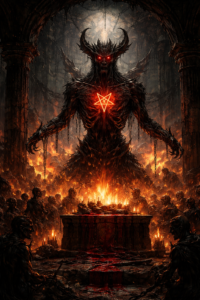
The earliest reference to the abomination of desolation appears in the Book of Daniel. Daniel records visions and angelic explanations concerning future kingdoms, conflicts, and periods of intense tribulation affecting Israel.
Daniel 9:27, 11:31, and 12:11 specifically mention an abomination that causes desolation. The context involves the interruption of temple sacrifices and the setting up of something detestable in the holy place.
In Hebrew, the word translated “abomination” refers to something morally disgusting or idolatrous before God. “Desolation” suggests devastation, abandonment, or ruin that follows spiritual corruption and rebellion.
Daniel’s prophecy connects this abomination with political rulers who oppose God and persecute His people. This connection between idolatry and oppression is central to understanding the severity of the warning.
Because Daniel’s prophecies include both near and distant fulfillments, interpreters often debate whether the abomination refers to one historical event or multiple events across time.
Historical Fulfillment Under Antiochus IV
Many scholars believe the prophecy was first fulfilled during the reign of Antiochus IV Epiphanes in the second century BC. Antiochus ruled the Seleucid Empire and aggressively promoted Greek culture throughout his territories.
In 167 BC, Antiochus entered Jerusalem, stopped Jewish temple sacrifices, and erected an altar dedicated to Zeus inside the temple. This act deeply violated Jewish worship and shocked the faithful community.
Ancient sources describe the sacrifice of unclean animals on the altar, further intensifying the offense. For devout Jews, this act represented a complete desecration of the sacred space dedicated to the God of Israel.
This event sparked the Maccabean revolt, a Jewish uprising that eventually led to the rededication of the temple. The annual celebration of Hanukkah commemorates this restoration and victory over oppression.
Many historians and theologians view Antiochus’ actions as a clear fulfillment of Daniel’s prophecy. Yet others argue that this was only a partial fulfillment, pointing forward to something even greater.
Jesus and the Abomination of Desolation
The phrase appears again in the New Testament when Jesus references it in the Gospel of Matthew. In Matthew 24:15, He warns His disciples about the abomination standing in the holy place.
A similar reference appears in the Gospel of Mark 13:14. Jesus encourages readers to understand Daniel’s prophecy, suggesting its continued relevance beyond Antiochus’ era.
Christ’s warning occurs during the Olivet Discourse, where He speaks about the destruction of Jerusalem and future tribulation. This connection deepens the prophetic dimension of the phrase.
By referring back to Daniel, Jesus affirms the authority of Old Testament prophecy. At the same time, He suggests that another significant fulfillment would occur after His earthly ministry.
His audience would have immediately associated the phrase with temple desecration. Therefore, Jesus’ warning likely signaled a coming crisis involving Jerusalem and its sacred structures.
The Destruction of Jerusalem in 70 AD
In 70 AD, Roman forces led by Titus destroyed Jerusalem and burned the temple. This catastrophic event profoundly altered Jewish and Christian history.
Some scholars believe the Roman invasion fulfilled Jesus’ warning about the abomination of desolation. Roman standards, bearing imperial symbols, were brought into the temple area during the siege.
The destruction ended the sacrificial system permanently. For many interpreters, this devastation aligns closely with the concept of desolation described in Daniel and referenced by Jesus.
This interpretation is often associated with the Preterist view, which holds that most prophetic events in Matthew 24 were fulfilled in the first century.
However, others argue that while 70 AD fits aspects of the prophecy, it may not exhaust its full meaning, leaving room for a future fulfillment.
Why the Phrase Matters Today
For modern readers, the abomination of desolation may seem distant and abstract. Yet its themes remain profoundly relevant.
It warns against idolatry and the misuse of sacred spaces. It reminds believers that political power can challenge spiritual faithfulness.
The prophecy also affirms God’s sovereignty. Even when desecration occurs, restoration and justice ultimately follow.
Studying this phrase encourages careful interpretation rather than sensational speculation. Balanced understanding fosters maturity and discernment.
Ultimately, the abomination of desolation highlights the seriousness of worship and the consequences of turning away from God.
Conclusion
The abomination of desolation stands at the intersection of history and prophecy. It connects Daniel’s visions, Jesus’ warnings, and pivotal historical events.
Whether fulfilled in Antiochus’ desecration, Rome’s destruction, or a future tribulation, the phrase carries enduring theological weight.
Its message calls believers to faithfulness amid turmoil. It reminds readers that even in desolation, God’s purposes move forward.
Rather than provoking fear, the prophecy should inspire trust in divine sovereignty. History shows that desecration never has the final word.